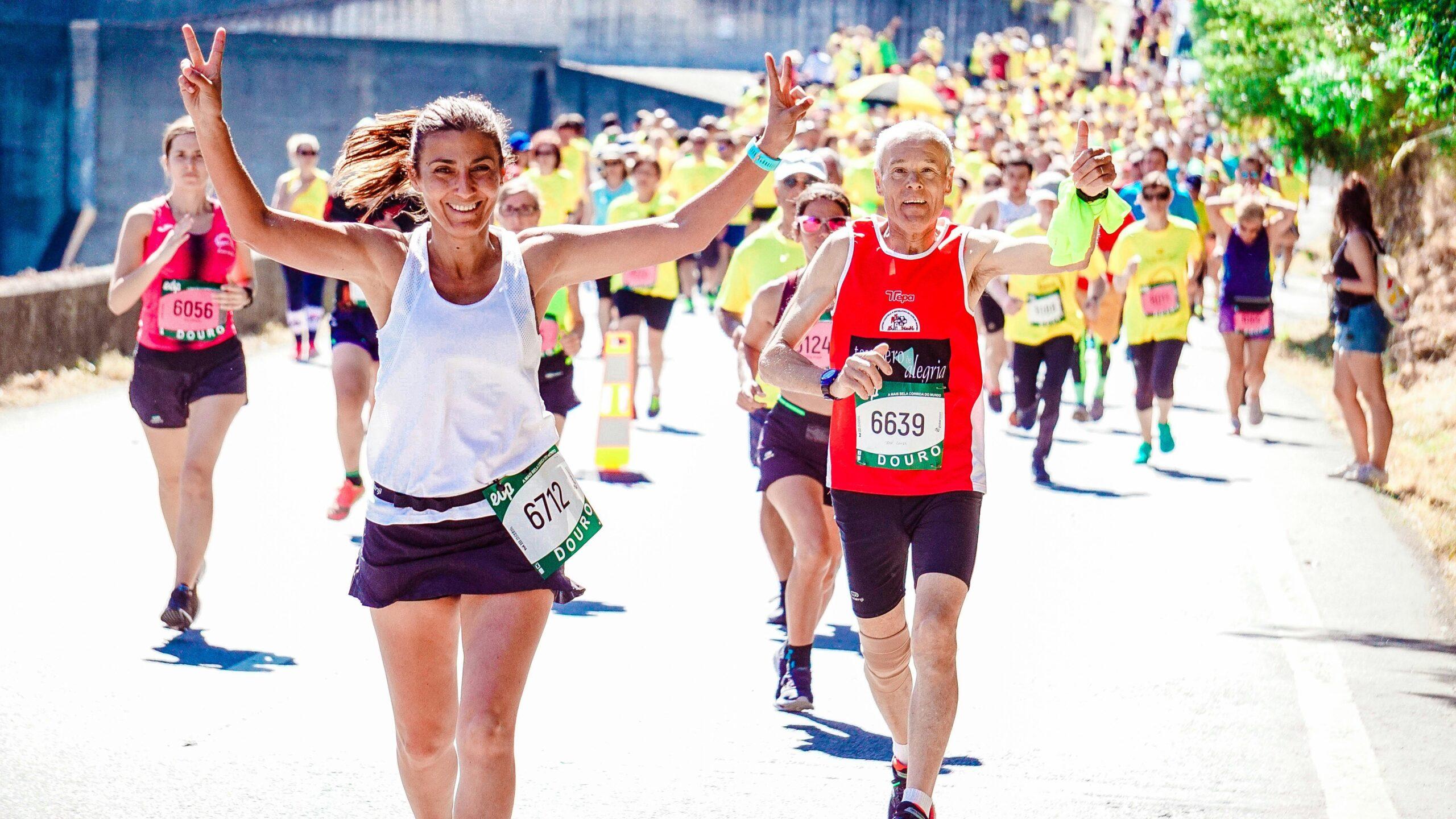
Over 1 million people complete marathons each year. Even more folks may complete a half marathon—and probably even more people are considering what it would take to run one, but aren’t sure where to start. Marathons involve training and pushing your body to do entirely new things, beyond what you thought was possible—and proper nutrition and fitness is key to staying safe and healthy while training for and running a marathon.
To discuss the ins and outs of marathon nutrition, we tapped Tara Maurice, RDN, LDN, LD, an ultra-marathoner and Registered Dietitian at Culina Health. Below, she breaks down how to understand and adapt to your body’s changing nutrition needs before, during, and after race day, to stay safe and healthy while achieving your marathon goals.
About Tara Maurice, RDN, LDN, LD

How did your athletic background influence your decision to study nutrition?
Running has helped me become very in tune with my body. Based on how my body responds while doing different activities, I’m able to recognize in real-time when my diet is not supporting me. I now know the warning signs my body provides—whether it’s telling me I need more fat in my diet, or should be supplementing with additional protein. I enjoy helping others improve their own diet and meal plans, while also listening to their bodies. There is no one size fits all approach when it comes to nutrition. It’s fun to help others figure it out for themselves, and optimize their nutrition to support the lives they want to live.
Working with an RD on Marathon Nutrition
What component of a race cycle (training, race day, recovery) is most impacted by nutrition?
This may be a surprise to some people, but optimal recovery is the most crucial moment to be paying attention to nutrition. This goes for post-race, and post- every single training run. Insufficient nutrition or hydration after a long run will delay muscle recovery, increase fatigue, and have long-term negative effects on your endurance and energy levels. That’s why I always say, recovery starts during and after runs with your fuel…but more on that later in this blog. 😉
What’s one nutritional challenge someone training for a marathon (or half marathon) should be prepared for?
Training for a marathon involves introducing lots of new habits into your routine, and there’s often a significant adjustment period, especially if this level of endurance training is brand-new to you. The key is to take it slow, listen to your body, and yes—stay hydrated and properly fueled. The most common symptoms I see pop up for people are GI distress or nausea, and decreased appetite.You can ease any GI discomfort or similar symptoms by supplementing with soft or liquid foods while your body adjusts. Ramen or other brothy soups, applesauce, smoothies, and energy gels are a great option for remaining fueled, even if you don’t have an appetite at the moment.
How might someone’s nutritional needs change when they are training for a marathon?
Basically, you need to meet all your normal nutritional needs, and then some. During marathon training, it’s important to add in extra carbohydrates as well as extra protein into your marathon training diet. We should be thinking of the marathon training diet as a key component of our overall marathon training plan. While everyone is different, it’s not uncommon to need to up your carbs by 60% and your protein by at least 20%.
We know nutrition is never one size fits all. What are some factors that vary in what a marathoner’s needs might be?
In addition to your unique body and health needs, there are a few variables that influence what type of changes you might need to make as a marathon runner. These include:
- Speed: How fast you are running can determine how much more fuel you need. Faster runs need more fuel.
- Weather: What’s the temperature where you’re training and racing? For example, you’ll need more sodium in your diet for runs in warmer climates since you sweat more, and cooler-climate runners will need (even) more carbs, since your body will expend extra energy trying to stay warm.
- Trail vs. Road Running: Trail runs may have more variables in elevation and therefore create a larger caloric/energetic need during a run. You may need to fuel extra for a trail race.

Nutrition During Marathon Training
As a marathon runner and RD, what does nutrition during marathon training look like to you?
Some of the main things I focus on during training include:
- Developing consistency with meal timing pre/post workouts
- Focus on hydrating during the day and fueling during most runs regardless of mileage
- Prioritizing sleep and rest days
- Spacing out protein across meals, up to 20g/meal
- Practicing eating and running or taking 1-2 minutes to walk during a workout when I need to fuel. Eating and running is a skill and it’s an unfamiliar sensation. I also focus on training my gut to handle food while exercising.
- Train gut to tolerate food when blood wants to go to your muscles (not your stomach) and train your body to eat when uncomfortable
What does nutrition counseling look like for someone training for a marathon?
When I work with clients who are running a marathon, we work together to come up with a specific marathon nutrition plan they can target and stick to throughout their training process. For example, we’ll create a plan with total grams of protein, calories, and fat they need each day, as well as a nutrition plan for pre-and-post workout to make sure they are fueling properly.
I may also offer meal and snack ideas for marathon runners. An example plan may include:
- Post workout nutrition guidelines:
- 15-25g of protein within an hour of working out plus 15-45g of carbs.
- This can look like: a protein smoothie with 1 cup almond milk and 1 cup of fruit and ½ banana or a PB&J sandwich, 1 cup of yogurt with berries or banana or 8-12oz of chocolate milk.
- Regular meal and snack timing to keep blood sugar and energy levels stable
- Experimenting with race day nutrition – energy gel or chews, bars, real food, etc on training runs helps us figure out what race-day fueling plan will work best.
- Supplements when applicable (Magnesium, Iron, Vitamin C, Zinc, etc.)
What nutritional needs should someone be aware of when training, and what should they be adding into their diet?
Generally, a balanced diet should suffice, but adding extra sources of iron, Omega-3 fatty acids, calcium, and Vitamin C will support immunity, muscle building and repair, and overall energy levels. Consuming plenty of whole grain carbohydrates and fruit helps our muscles support optimal performance and recovery.
- Good sources of Iron include: spinach, lean meat, nuts, tofu, lentils
- Good sources of Omega-3’s include: salmon, nuts & seeds, olive oil
- Good sources of Calcium include: yogurt, salmon, leafy greens, broccoli, tofu, cheese
- Good sources of Vitamin C include: citrus fruit, strawberries, peppers, tomatoes, potatoes
We often hear about carbs and running. What is the role of carbohydrates for marathon training and racing?
Carbohydrates help replace the glycogen reserves in our body and thus, give our muscles energy as well as help our muscles recover more quickly. Carbohydrates are our body’s primary source of energy, as well as the main fuel we burn during exercise.
What’s the role of protein in marathon training and racing?
Protein is crucial because it supports muscle repair and growth during post-exercise recovery. Aim to eat between 15-25g of protein within 2 hours of a hard workout. This will promote recovery but also endurance. Consuming protein while exercising will help in tissue repair and injury prevention post-race.
Pre-Race Marathon Nutrition
What are some things to do the day of/day before to prepare for a race?
The day before my race, I make sure I am moving my body in a gentle way, usually a short walk or two to keep my muscles warm, but still relaxed. I eat like normal but usually have a lighter dinner with a focus on veggies and protein (grain bowls are great for this type of meal).
The morning of the race, I’ll eat a light breakfast of toast with peanut butter and banana or sometimes and egg on toast, or a sausage, egg and cheese bagel if I’m running in cold weather.
Is “carbo-loading” really how someone should prepare for a big athletic event like a marathon? If so, what’s the right way to “carbo-load”?
Carbohydrate loading (eating an increased amount of carbohydrates leading up to and during a race) can produce an increase in stored muscle glycogen which can help prolong exercise endurance and energy levels. You are essentially loading your muscles with more fuel to be able to run longer. During this period, you can focus more on carbohydrates, less on protein and fat.
The week before a race, try for 1-2 more servings of carbs at meals, limit high fat foods and keep protein to about 20-25g/meal. You are not eating more calories, but rather changing the ratio of what you’re eating to include more rice, pancakes, bananas, bagels, whole wheat pasta, fruit, etc.
For example, a good day of pre-race eating with an emphasis on carbs may include:
Breakfast: Oatmeal and fruit
Lunch: Sandwich with turkey and veggies
Snack: Protein bar for snack
Dinner: Pasta with light marinara and a small amount of cooked veggies (½-1 cup).
How to Stay Properly Fueled During the Race
We all fear hitting “the wall” during a marathon—what’s a nutrition strategy or preparation someone can do to avoid that?
Hitting “the wall” happens when our muscles run out of their glycogen stores. A sharp decrease in performance and increase in fatigue follows. You may feel like you can’t go on any longer. Plus, improper fueling can lead to low blood sugar and possible GI upset.
The biggest thing you can do to avoid the dreaded wall, in addition to fueling properly, is to train your gut. Practice fueling your runs with a minimum of 5g of protein and at least 30g of carbohydrates each hour (for runs that are 1+ hours) during your training cycle. This trains your body to accept food while exercising and can help delay running out of glycogen stores in your muscles.
What type of “fuel” should someone carry on them on race day or during a run, and at what type of intervals should they ingest it?
Firstly, research the aid stations—the race website will tell you what fuel options they will have, and what mile markers they are located at which can help you figure out how much fuel to carry. I also recommend investing in a running vest with pockets, so you can avoid running with anything in your hands. What you should fuel with is highly individual, but here is a basic breakdown of some things I recommend (and use myself):
- Carbohydrates: These come in gel or chewable form and provide up to 25-30g of carbs per serving. If you’re not into gels or gummies, look for carbs that provide a quick release of energy such as a small banana, granola bar, 3-4 graham crackers, applesauce packet, fig bars, fruit gummies, or even a handful of jelly beans!
- Protein: RX bars, Munk Pack Protein Cookie, GoMacro bars, etc.
- Hydration: Water and electrolyte powder (Scratch and Hammer Nutrition are my favorite) and salt tabs if the weather is hot or if you are a heavy sweater
Finally, what’s one myth about marathon nutrition you want to dispel?
That you should always be eating the cleanest, most nutrient-dense things for optimal run performance. When you run for under 90 minutes, most of your energy comes from stored muscle glycogen. If you’re running for longer than 90 minutes, the sugar in your blood and liver glycogen becomes more important because your stored muscle glycogen gets depleted. Therefore, quick, easily absorbed energy is critical—think jelly beans, even 2-4oz of soda, gummy candy, soup broth, ramen, etc. Anything high in salt and sugar, and low in fiber! These aren’t normally things I’d be actively recommending for folks to eat, but they are the perfect boost of energy to get you to the finish line.